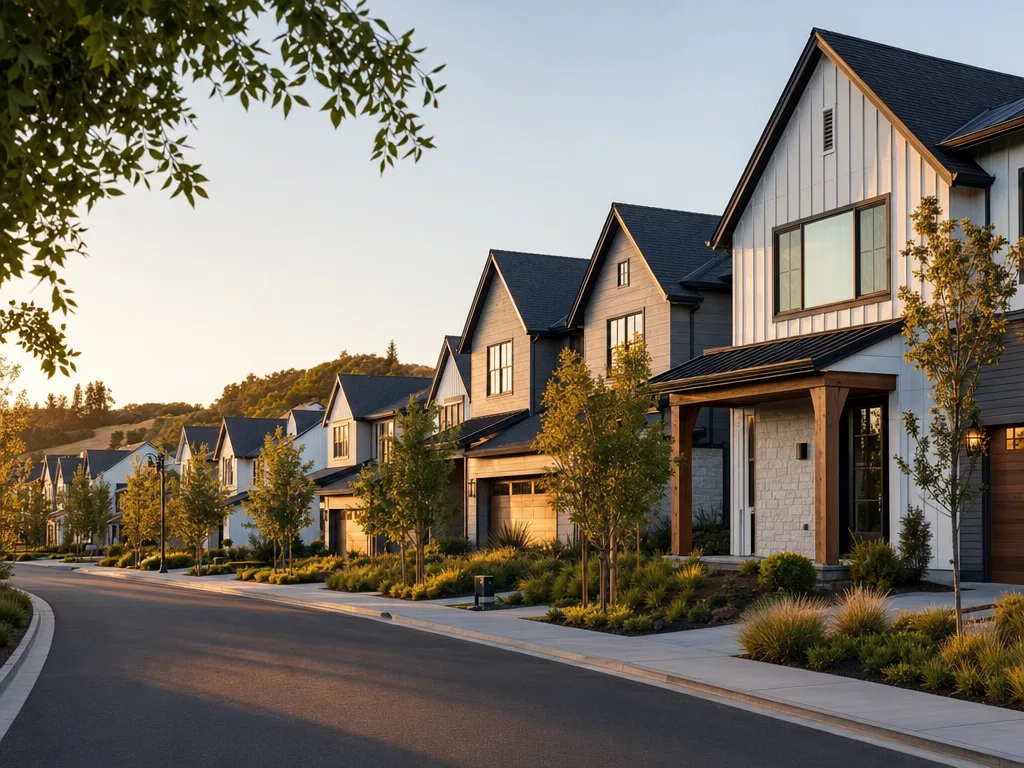
One of the most common questions I hear from buyers is whether they should go with new construction or buy in an established neighborhood. Both have advantages you can count on, and both have pitfalls that are easy to miss if you do not know what to look for. After 37 years and over 1,000 transactions, here is my honest assessment.
New Construction: The Appeal and the Catch
New construction is exciting. Modern floor plans, energy efficiency, the latest finishes, and the chance to customize. But there are things to watch out for, and I tell every buyer to go in with eyes wide open.
Construction quality varies enormously. Not all builders are equal. I have seen beautiful finishes hiding poor framing, inadequate insulation, and rushed electrical work. Always get an independent inspection, even on a brand-new home. The builder's warranty exists for a reason.
Model homes are designed to seduce. The upgrades you see in the model are often not included in the base price. A $550K base price can become $650K or $700K once you add the finishes that make the model home look like the model home. I help my buyers understand the true cost before they sign.
The neighborhood is not finished yet. You are buying into a vision. The park is not built, the school boundaries may shift, and you will live next to construction noise for months or years. That said, if you are patient, you often gain significant equity as the community matures.
Resale in new communities can be unpredictable. When the builder is still selling new homes next door, your resale price is competing with brand-new inventory. This can suppress values in the first few years.
Established Neighborhoods: What You Gain
Established neighborhoods have something you cannot build: history, maturity, and proof. The trees are full-grown, the streets have character, and you can see exactly what you are buying.
The construction is proven. You can see how the home has held up over 10, 20, or 30 years. The neighborhood drainage works. The streets are wide enough. The lot sizes are often more generous than what new construction offers.
You know exactly what you are getting. The neighbor's house, the tree canopy, the traffic patterns, the school assignments. Everything is visible and verifiable. There are no surprises about what the neighborhood will become.
Established neighborhoods often appreciate more steadily. Because the community is complete and the supply of lots is finite, values tend to hold and grow consistently. The best neighborhoods in Granite Bay, El Dorado Hills, and East Sacramento have proven this over decades.
What to Watch Out For
Older homes may need updates. Roof, HVAC, plumbing, and electrical systems may be nearing the end of their lifecycle. A thorough inspection is essential, and I always advise my buyers to budget for near-term maintenance.
Energy efficiency may be lower. Older insulation, single-pane windows, and dated HVAC systems mean higher utility bills. However, many of these upgrades are straightforward and can be prioritized over time.
Floor plans may not match modern expectations. Smaller kitchens, fewer bathrooms, and less open-concept living were common in older construction. For some buyers, this is part of the charm. For others, it is a renovation project.
The Bottom Line
There is no universal right answer. It depends on your priorities, timeline, and budget. What I tell every buyer is this: be patient, ask hard questions, and work with someone who has seen enough transactions to know what matters. That is what I bring to every conversation. Let us find the right property for you, whether it was built last year or fifty years ago.
Have Questions About Buying?
I will show you the best of the best properties and tell you the highs and lows of each. Be patient and we will find the perfect property.